The Power of Self-Awareness in Personal Growth
The Power of Self-Awareness in Personal Growth
Self-awareness is more than just a buzzword. It's a powerful tool that can transform how we see ourselves and interact with the world around us. By understanding and observing our thoughts, feelings, and actions, self-awareness builds a foundation for personal growth.
What is Self-Awareness?
Self-awareness involves being conscious of different aspects of self, like personal traits, behaviors, and feelings. It allows individuals to understand themselves at a deeper level, which can provide clarity in many areas of life.
The Importance of Self-Awareness
Self-awareness stands as the cornerstone for emotional intelligence and growth. Let's delve into how it can positively impact several aspects of life:
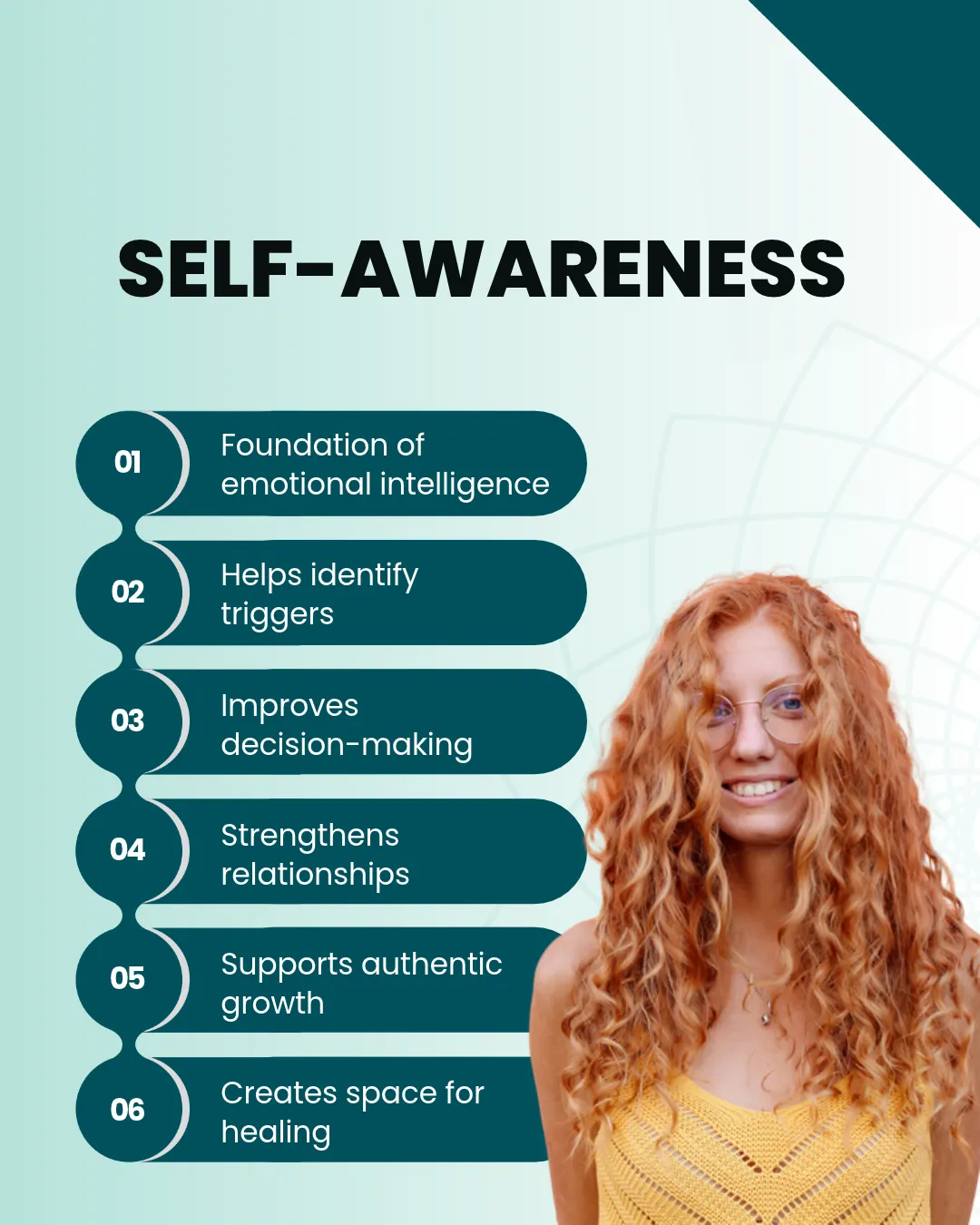
- Foundation of Emotional Intelligence: Self-awareness is the first step towards developing emotional intelligence. It allows individuals to recognize their emotions, leading to better understanding and management.
- Identifying Triggers: By being aware of what affects them, people can identify triggers that cause certain emotional responses, helping to manage stress and avoid unnecessary conflicts.
- Improved Decision-Making: With heightened awareness, decision-making becomes clearer. Understanding personal values and feelings aids in making choices that align with true self-interest.
- Stronger Relationships: When people are aware of their emotions and triggers, they communicate better and show empathy, leading to more meaningful and healthy relationships.
- Authentic Growth: Self-awareness promotes genuine personal development. Knowing oneself allows setting realistic goals and working consistently towards meeting them.
- Creating Space for Healing: Recognizing and accepting one's feelings can open the door to healing. It encourages individuals to confront and work through their emotions rather than avoid them.
Steps to Develop Self-Awareness
Though it may seem challenging, developing self-awareness is a journey that anyone can undertake. Here’s how one can start:
- Practice Self-Reflection: Spend a few minutes every day reflecting on thoughts and feelings. Consider keeping a journal to track changes and progress.
- Seek Feedback: Ask others for honest feedback about behaviors and responses. It gives valuable insights that might not come from self-observation alone.
- Meditation and Mindfulness: These practices train the mind to focus on the present, enhancing awareness of thoughts and emotions without judgment.
- Consult a Professional: Therapy and counseling are excellent tools for uncovering deep-seated thought patterns and fostering self-awareness.
Conclusion
Self-awareness is a skill that fosters emotional intelligence and personal growth. Embracing it can lead to improved decision-making, stronger relationships, and authentic self-improvement. As a continuous journey, self-awareness requires commitment, but its rewards are profound and lasting.