Mastering SMART Goals for Health
Unlocking the Power of SMART Goals for Better Health
Setting health goals is an essential part of living a healthy life. But how do you ensure your goals are effective? The answer lies in using SMART goals. SMART is a handy guide that helps you create clear and obtainable objectives. But what does SMART stand for? Let's dive into it.
What Are SMART Goals?
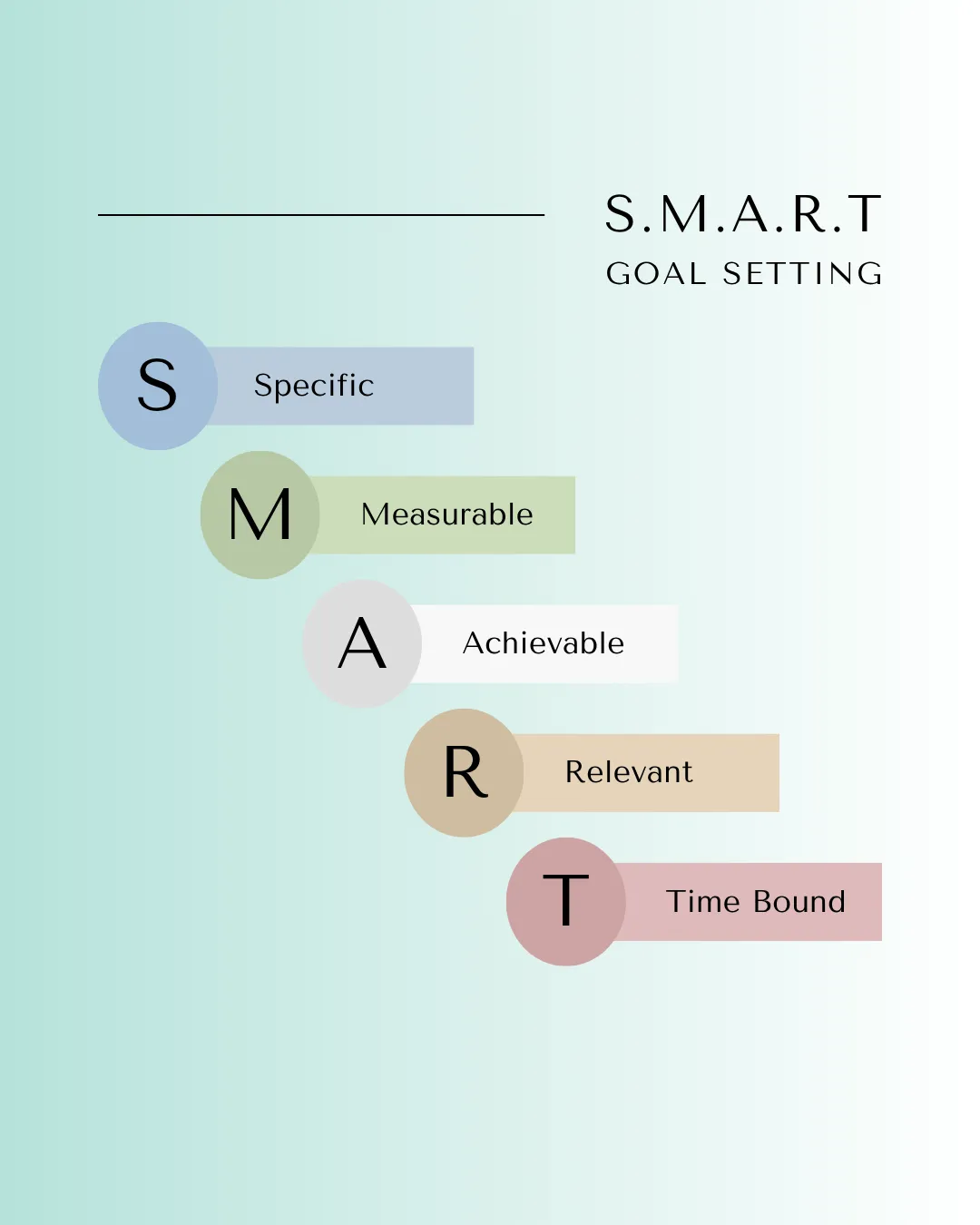
SMART is an acronym that stands for:
- Specific: Your goal should be clear and specific.
- Measurable: You should be able to track the progress.
- Achievable: The goal should be realistic and attainable.
- Relevant: It should matter to your overall health objectives.
- Time-Bound: Set a specific date for achieving the goal.
Now, let's see how to apply each component of SMART to your health goals.
1. Specific Goals
A specific goal answers the questions of who, what, where, when, and why. For example, instead of saying you want to lose weight, specify how much weight you want to lose and why. Saying, "I want to lose 10 pounds in 2 months by going to the gym three times a week," is more effective.
2. Measurable Goals
A goal should be measurable. You need to define how you will measure success. In our weight loss example, measuring your weight weekly helps track your progress. Here are a few measurable elements:
- Use a journal to track daily food intake.
- Record weekly weigh-ins.
- Note down the number of gym visits each week.
3. Achievable Goals
Achievable goals mean setting objectives that are within your reach. Consider your current resources and constraints. If you have never exercised before, starting with three workouts a week is achievable. Going for daily intense workouts might not be.
4. Relevant Goals
An effective goal must be relevant, meaning it matter to you and fits in your broader health goals. Ask yourself if losing weight improves your health or confidence. Make sure the goal aligns with your personal values and long-term goals. This can include:
- Improving overall fitness.
- Enhancing self-esteem.
- Reducing disease risk.
5. Time-Bound Goals
Finally, a goal needs to be time-bound; it requires a deadline. Without a deadline, you may lack motivation to achieve it. For weight loss, set a date like 2 months from now. This ensures you keep working toward it consistently.
Why SMART Goals Work
SMART goals work because they provide clarity, structure, and motivation. You know exactly what you need to do and by when. This structured approach turns vague hopes into concrete plans, increasing the chances of success.
Creating Your Own SMART Goal
Ready to create your own SMART goal? Follow these steps:
- Define Your Goal: Be specific about what you want to achieve. Make it detailed.
- Track Your Progress: Find ways to measure your goal. Use scales, journals, or apps.
- Assess Achievability: Be truthful about your capacity. Make sure your goal is realistic.
- Ensure Relevance: Connect your goal to a bigger personal or health reason.
- Set a Deadline: Pick a reachable date to achieve your goal.
Conclusion
SMART goals are a simple yet powerful tool to enhance your health. They provide the framework needed to turn your dreams into reality. Whether you're looking to lose weight, improve fitness, or eat healthier, SMART goals offer a roadmap to health success. Start today by writing down your goals using the SMART criteria and watch your dreams become real.